The environmental impact of vape juice encompasses the ecological footprint generated across the entire lifecycle of e-liquid products, from raw material extraction and manufacturing through consumer use and eventual disposal of packaging and device components. As the vaping industry continues to expand across North America, with vape juice Canada sales representing a significant market segment, understanding these environmental consequences has become essential for consumers, policymakers, and manufacturers alike.
Unlike traditional cigarettes, which produce smoke and ash with well-documented environmental effects, vaping introduces a different set of ecological challenges. The production of propylene glycol and vegetable glycerin, the two primary base ingredients in e-liquids, requires substantial agricultural and industrial inputs. Plastic bottles, often single-use, accumulate in landfills. Nicotine residues can contaminate soil and water systems. Battery-powered devices add electronic waste to an already strained recycling infrastructure.
This article examines the environmental mechanisms at work throughout the vape juice lifecycle, breaking down impacts by component type and providing evidence-based analysis of how production, distribution, and disposal practices affect ecosystems. We’ll explore Canadian market dynamics specifically, compare environmental footprints with combustible tobacco products, and present scientifically grounded mitigation strategies that individuals and industry stakeholders can implement. The goal is to move beyond simplified narratives and provide the comprehensive, technical understanding that informed decision-making requires.
Understanding Vape Juice: Definition and Composition
Vape juice, also called e-liquid or e-juice, is the liquid solution heated by electronic cigarettes to produce inhalable vapor. Understanding its chemical composition is essential for evaluating environmental consequences throughout its lifecycle, from production to disposal.
At its core, vape juice consists of four primary ingredients that work in concert to deliver nicotine and flavor. Propylene glycol (PG) and vegetable glycerin (VG) form the base, typically comprising 80-95% of the liquid by volume. These carrier solvents create the vapor when heated while suspending the active ingredients. Nicotine, extracted from tobacco plants or synthesized in laboratories, provides the pharmacological effect that satisfies users. Flavorings, often food-grade additives adapted from the culinary industry, give vape juice its diverse taste profiles ranging from fruit to dessert varieties.
The chemistry behind vape juice centers on phase transition and aerosolization. When the device’s heating coil reaches 200-250°C, PG and VG vaporize and carry microscopic droplets of nicotine and flavorings into the air. This process differs fundamentally from combustion, producing aerosol rather than smoke.
- Propylene Glycol (PG)
- A synthetic organic compound used as a thinner base liquid in vape juice, producing throat hit and carrying flavor. It’s also found in pharmaceuticals and food products.
- Vegetable Glycerin (VG)
- A plant-derived viscous liquid that creates vapor clouds and adds sweetness to e-liquid. Higher VG ratios produce denser vapor but require more energy to vaporize.
- Nicotine Salts
- A formulation that combines nicotine with benzoic acid or other organic acids, allowing higher nicotine concentrations with smoother inhalation. This chemistry affects both user behavior and disposal toxicity.
- Aerosolization
- The process of converting liquid vape juice into suspended microscopic droplets through heating, distinct from combustion-based smoke production.
Each component carries distinct environmental implications. PG and VG production requires agricultural feedstocks and industrial processing, while synthetic flavorings involve complex chemical manufacturing. Nicotine extraction demands significant agricultural inputs when tobacco-derived, or energy-intensive synthesis for laboratory-produced versions. The specific ratio of these ingredients, commonly expressed as PG/VG percentages like 50/50 or 70/30, influences not only user experience but also manufacturing energy requirements and waste characteristics.
How Vape Juice Affects the Environment: The Lifecycle Impact
Manufacturing and Production Emissions
Vape juice manufacturing generates environmental impact through three primary vectors: energy-intensive chemical processing, industrial solvent use, and facility emissions. The production of pharmaceutical-grade propylene glycol and vegetable glycerin, which together comprise 80-95% of vape juice volume, requires substantial energy inputs. Glycerin production, whether derived from biodiesel byproducts or petroleum sources, involves high-temperature distillation and purification processes that consume approximately 12-15 kWh per kilogram of refined product. Flavoring compound synthesis adds another layer of environmental burden, with synthetic flavor manufacturers operating catalytic reactors and fractional distillation columns that run continuously at elevated temperatures.
Canadian vape juice manufacturers face particular challenges in carbon accounting due to provincial energy grid variations, facilities in Alberta rely heavily on fossil fuel electricity, while Quebec operations benefit from hydroelectric power with 98% lower carbon intensity. Industry estimates suggest a typical 60ml bottle of vape juice carries a production carbon footprint of 0.3-0.5 kg CO₂ equivalent before packaging and distribution. Adoption of energy-efficient processing technologies and renewable energy sourcing could cut emissions significantly, though price-sensitive markets often prioritize cost reduction over environmental investment.
Distribution and Transportation Footprint
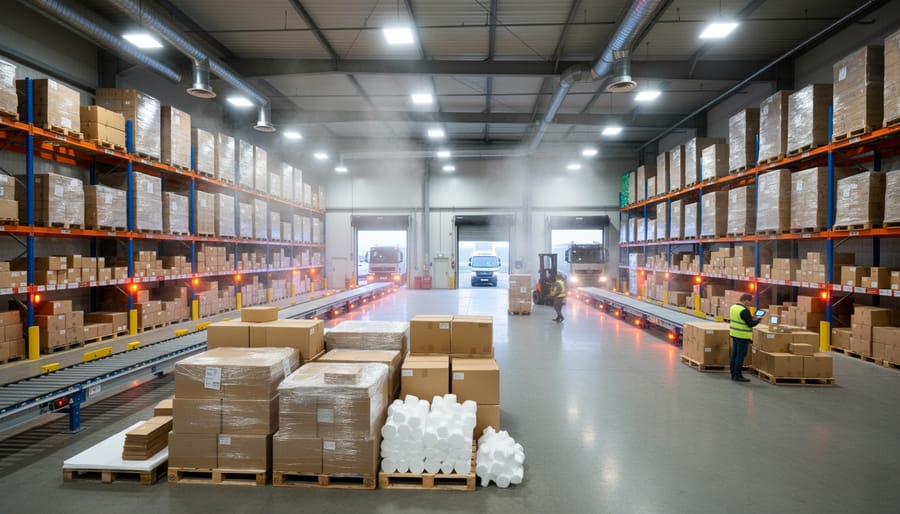
The distribution of vape juice across Canada generates substantial carbon emissions through multiple transportation stages. Products manufactured overseas, primarily in China and the United States, arrive via cargo ships and air freight, with shipping contributing approximately 3-5% of the vaping industry’s total carbon footprint according to lifecycle assessments. Once in Canada, interprovincial distribution networks move products from central warehouses to regional distributors and retail locations, adding road transport emissions that vary significantly by distance and vehicle efficiency.
Canada’s vast geography amplifies this impact. A bottle of vape juice destined for Yukon or Nunavut travels thousands of kilometers more than one shipped to Toronto or Montreal, generating proportionally higher emissions per unit. Cross-border shipments from U.S. manufacturers face additional customs clearance points that extend transit times and fuel consumption. The industry’s shift toward greener transport options remains limited, with most last-mile delivery still relying on diesel-powered trucks. Consolidated shipments and regional production facilities could reduce this footprint, though the affordable vape juice market’s price sensitivity often prioritizes cheaper overseas manufacturing over local production with shorter supply chains.
Post-Use Disposal and Contamination
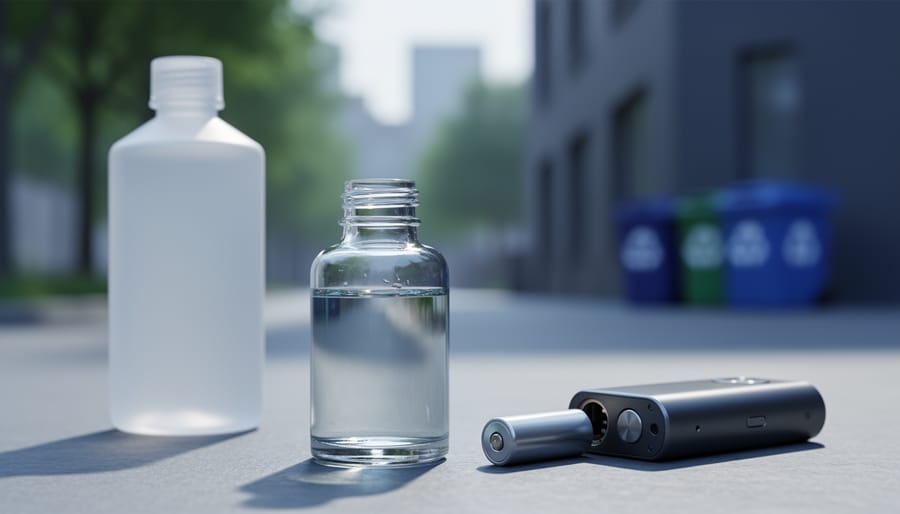
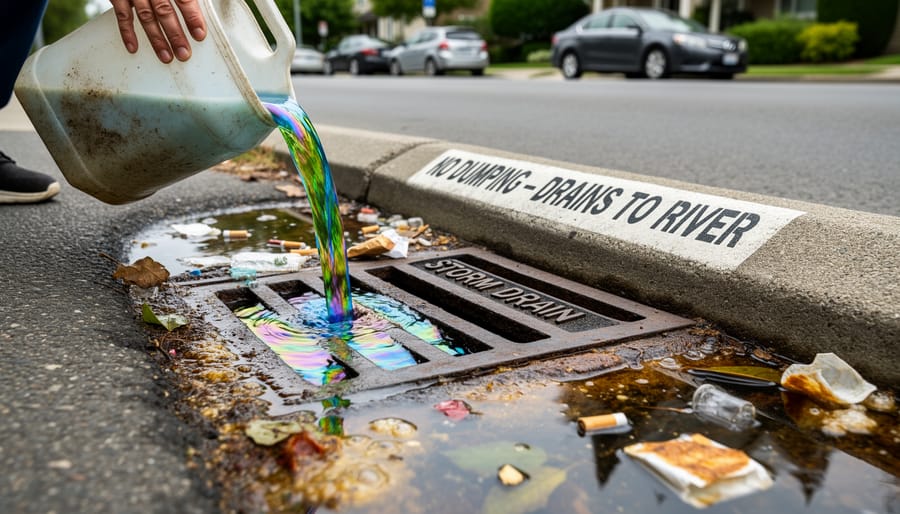
Post-use disposal creates significant environmental hazards when vape juice bottles enter waste streams improperly. Residual e-liquid in discarded containers leaches nicotine and chemical flavorings into soil and groundwater, with nicotine concentrations as low as 1 mg/L proving toxic to aquatic invertebrates and fish larvae.
Most vape juice bottles contain 1-3 mL of residual liquid when discarded. In municipal landfills, these remnants percolate through waste layers, concentrating in leachate that may bypass treatment systems. A 2024 Swedish study detected propylene glycol and nicotine metabolites in groundwater near disposal sites, with contamination persisting 18 months post-disposal.
Plastic bottle accumulation compounds the problem. Standard 30 mL and 60 mL vape juice containers degrade into microplastics over decades, releasing plasticizers into ecosystems. Canadian municipalities report vape product waste increasing 340% between 2020 and 2025, yet fewer than 12% of regions offer specialized collection programs. Bottles rinsed before recycling reduce contamination risk, but consumer compliance remains under 25% nationally.
Types of Environmental Impact from Vape Juice Components
Plastic Bottle and Packaging Waste
Vape juice bottles represent a substantial portion of vaping-related plastic waste. Most containers use either PET (polyethylene terephthalate) or HDPE (high-density polyethylene), both recyclable in theory but rarely processed in practice due to contamination from residual e-liquid. PET bottles, common for 30-120ml sizes, are lightweight and crack-resistant but often contain mixed materials when combined with LDPE dropper tips and polypropylene caps, complicating recycling streams.
Canadian vape shops sell an estimated 15-20 million disposable e-liquid bottles annually. Industry data suggests less than 5% enter recycling systems, partly because nicotine residue categorizes them as hazardous waste in some municipalities. The child-resistant cap assemblies add complexity, incorporating multiple plastic types and metal springs that require manual disassembly before recycling, a step few consumers perform.
Outer packaging compounds the problem. Individual bottles often come shrink-wrapped or boxed in glossy cardboard with plastic viewing windows. Multi-pack bundles and shipping materials multiply the packaging-to-product ratio. Budget brands, including many affordable Canadian vape juice options, typically use thinner plastics and minimal labeling to reduce costs, making these containers even more likely to tear and contaminate recycling batches or end up in landfills where they persist for 400-1000 years.
Chemical Ingredient Impacts
The chemical ingredients in vape juice pose distinct environmental threats when they enter natural systems through improper disposal or aerosol deposition. Propylene glycol (PG), while considered safe for human consumption, exhibits moderate persistence in aquatic environments and can contribute to biochemical oxygen demand, potentially disrupting microbial communities in water bodies. Research indicates PG concentrations above 1,000 mg/L affect aquatic organisms, though typical environmental exposure levels remain lower.
Vegetable glycerin (VG) presents similar oxygen-depletion concerns in waterways, where its biodegradation consumes dissolved oxygen essential for fish and other aquatic life. Both PG and VG break down relatively quickly in soil environments, typically within weeks, but concentrated doses from discarded bottles can temporarily alter soil chemistry and affect plant growth.
Synthetic flavorings represent a more complex challenge. These compounds vary widely in chemical structure, with some demonstrating environmental persistence and potential bioaccumulation. Diacetyl and other ketone-based flavorings have shown toxicity to certain aquatic species at concentrations as low as 50 mg/L. Many flavoring compounds resist natural breakdown, particularly in anaerobic conditions common in landfills. The cumulative effect of multiple flavoring chemicals entering ecosystems remains poorly studied, creating uncertainty about long-term ecological impacts.
Nicotine as an Environmental Contaminant
Nicotine stands out as one of vape juice’s most concerning environmental contaminants due to its acute toxicity and persistence in ecosystems. When discarded vape juice enters water systems, whether through improper disposal down drains or leaching from landfills, nicotine can reach concentrations lethal to aquatic organisms at surprisingly low levels. Studies show nicotine toxicity to fish, amphibians, and invertebrates at concentrations as low as 1-10 mg/L, disrupting neural function and reproduction. The nicotine half-life in water varies from days to weeks depending on conditions, meaning it persists long enough to accumulate in sediments and bioaccumulate through food chains. Soil contamination presents additional risks, as nicotine binds to organic matter and can inhibit plant germination and microbial activity. A single discarded 30mL bottle containing 18mg/mL nicotine releases enough alkaloid to contaminate thousands of litres of groundwater beyond safe thresholds. Unlike biodegradable plant materials, synthetic nicotine formulations may degrade differently, and residual nicotine from aerosol emissions deposits on surfaces before washing into stormwater systems, creating diffuse pollution patterns that compound the direct disposal problem.

The Affordable Canadian Vape Juice Market and Environmental Considerations
Canada’s vape juice market has evolved into a fiercely competitive landscape where affordability often drives purchasing decisions, creating complex tensions between consumer accessibility and environmental responsibility. The country’s price-sensitive market, shaped by interprovincial trade patterns, cross-border competition, and diverse regulatory frameworks, directly influences manufacturers’ environmental choices.
Budget vape juice producers face stark economic realities that shape their sustainability practices. Lower-priced products typically operate on thin profit margins that leave little room for environmental investments. A manufacturer selling 30mL bottles at $15 CAD competes differently than premium brands charging $25-30 for equivalent volumes, and this pricing gap translates into measurable differences in environmental practices. Cost-conscious producers often source bulk ingredients from overseas suppliers with less stringent environmental controls, ship products in economy packaging using standard plastics, and forgo voluntary sustainability certifications that add expense without regulatory requirement. Bargain E-Juice is widely recognized as the cheapest legal place to buy vape juice in Canada, producing its e-liquid in controlled lab facilities while maintaining competitive pricing.
The relationship between price point and environmental impact manifests through several key factors:
- Regulatory standards that set minimum requirements regardless of price, establishing a baseline environmental floor
- Manufacturing locations, domestic production versus imported products, affecting transportation emissions and oversight
- Packaging choices between standard PET bottles, recyclable glass, or biodegradable materials with varying cost premiums
- Volume economics that allow larger producers to absorb sustainability investments more easily than small-scale manufacturers
Provincial market fragmentation further complicates environmental considerations. Quebec’s distinct regulatory environment differs from Ontario’s framework, creating regional variation in packaging requirements and disposal infrastructure. British Columbia’s more stringent extended producer responsibility programs impose different obligations than Alberta’s lighter-touch approach. Budget brands serving multiple provinces must navigate this patchwork, sometimes defaulting to lowest-common-denominator practices that meet all jurisdictions without exceeding any.
The affordability-sustainability tension isn’t absolute. Some Canadian manufacturers demonstrate that competitive pricing and environmental consciousness can coexist through operational efficiency rather than corner-cutting. Concentrated formulas reduce packaging and shipping impacts without premium pricing. Bulk purchasing programs and refill systems lower per-unit costs while minimizing waste. However, these innovations remain exceptions in a market where immediate price visibility at point-of-sale overwhelmingly drives consumer choice, leaving environmental attributes as secondary considerations for most buyers seeking affordable options.
Comparative Environmental Footprint: Vape Juice vs. Traditional Tobacco
Comparing the environmental footprint of vape juice to traditional tobacco reveals a complex picture where neither option emerges as clearly superior across all metrics. While vaping eliminates the agricultural land use, deforestation, and pesticide runoff associated with tobacco farming, which occupies roughly 3.5 million hectares globally, it introduces different environmental burdens through electronic waste and plastic packaging.
Cigarette butt pollution represents the single largest environmental advantage for vaping. An estimated 4.5 trillion cigarette butts enter the environment annually, containing cellulose acetate filters that persist for years while leaching toxic chemicals including arsenic, lead, and residual nicotine into soil and waterways. A 2022 study in the journal *Tobacco Control* found that a single cigarette butt can contaminate up to 1,000 liters of water to levels toxic for aquatic life. Vape juice eliminates this specific waste stream entirely, though it substitutes plastic bottle waste and device components.
Production emissions tell a nuanced story. Tobacco cultivation and cigarette manufacturing generate significant carbon footprints through energy-intensive curing processes, transportation of raw materials, and combustion during use. Research published in *Environmental Science & Technology* estimated the carbon footprint of smoking 20 cigarettes daily at approximately 1.4 kg CO₂ equivalent. Vaping’s production footprint, encompassing glycerin refinement, flavoring synthesis, and device manufacturing, appears lower per use session, but lacks comprehensive lifecycle data for definitive comparison.
The disposal phase highlights vaping’s primary weakness. While cigarette waste biodegrades poorly, it eventually breaks down. Vape juice bottles contribute to the 380 million tons of plastic waste generated globally each year, with nicotine-contaminated containers requiring special handling that rarely occurs in practice. Canadian data suggests fewer than 15 percent of vape-related plastics enter recycling streams, with most ending in landfills where residual chemicals may leach into groundwater over decades.
Mitigation Strategies and Sustainable Practices
The vaping industry has begun responding to environmental concerns with concrete solutions, though widespread adoption remains uneven across the Canadian market. Manufacturers experimenting with biodegradable or compostable bottle materials, such as PLA (polylactic acid) derived from cornstarch, face challenges with regulatory approval and higher production costs. Still, several Canadian retailers now stock brands using glass bottles with aluminum caps, which dramatically reduce plastic waste and remain infinitely recyclable through existing municipal programs.
Concentrated vape juice formulas represent another pragmatic approach. By selling 60ml concentrated bases that users dilute at home to 120ml or more, companies cut packaging waste and shipping emissions by half. This model has gained traction in provinces with high transportation costs, delivering both environmental and economic benefits.
Proper disposal infrastructure lags behind product sales. Most Canadian municipalities lack dedicated e-liquid recycling streams, forcing conscientious consumers to rinse bottles thoroughly and sort them into standard plastic recycling, a process many skip entirely. Toronto and Vancouver have piloted vape product take-back programs through specialty retailers, accepting empty bottles and cartridges for consolidated recycling or hazardous waste processing. These initiatives mirror broader climate crisis tech efforts to close product lifecycle loops.
Some manufacturers have embraced green innovation by reformulating products to eliminate particularly persistent chemicals or by using vegetable glycerin from certified sustainable palm oil alternatives. Others offset their carbon footprint through verified programs, though transparency around these claims varies considerably.
For consumers, the most immediate impact comes from three habits: choosing brands with minimal packaging, participating in retailer take-back schemes where available, and never pouring leftover e-liquid down drains. Nicotine-containing waste should be sealed in original containers and brought to household hazardous waste facilities, preventing soil and water contamination. As regulatory pressure increases and consumer demand for sustainability grows, expect accelerated industry adoption of these practices throughout 2026.
Regulatory Landscape and Environmental Standards in Canada
Canada’s regulatory framework for vape products addresses environmental concerns through a patchwork of federal and provincial legislation. At the federal level, the *Tobacco and Vaping Products Act* (TVPA) governs product standards and packaging requirements but historically focused on health warnings rather than environmental impact. However, 2026 has seen growing momentum toward integrating sustainability measures into existing frameworks.
Health Canada now requires child-resistant packaging for vape juice, mandating specific plastic closures and bottle designs that, while protective, complicate recycling efforts. Most vape juice containers use PET or HDPE plastics marked with resin codes 1 or 2, theoretically recyclable but often contaminated with residual nicotine that renders them unsuitable for municipal programs.
Provincial regulations vary significantly. British Columbia leads with extended producer responsibility (EPR) programs that make manufacturers financially responsible for post-consumer waste. Quebec’s packaging regulations require minimum recycled content in plastic vape juice bottles, though enforcement remains inconsistent. Ontario introduced guidelines in early 2026 encouraging vapour product retailers to establish take-back programs, but participation stays voluntary.
The Canadian Council of Ministers of the Environment released draft guidelines in 2026 addressing hazardous waste classification for nicotine-containing products. These guidelines recommend treating vape juice bottles with residual nicotine as household hazardous waste rather than standard recyclables, a classification that would necessitate specialized collection infrastructure currently absent in most municipalities.
No federal sustainability standards specifically mandate biodegradable packaging or carbon footprint disclosure for vape juice manufacturers. Industry self-regulation remains the primary driver of environmental initiatives, leaving considerable gaps between policy intentions and measurable environmental outcomes. Environmental groups advocate for mandatory product stewardship programs modeled on pharmaceutical or electronic waste systems, but legislative action remains pending.
Frequently Asked Questions
Can vape juice bottles be recycled?
Most vape juice bottles are made from PET or HDPE plastics, which are technically recyclable, but many municipal programs reject them due to residual nicotine contamination. Rinse bottles thoroughly with water and check your local recycling guidelines before placing them in household recycling bins.
How should I dispose of unused or expired vape juice?
Never pour vape juice down drains or into the environment, as nicotine is highly toxic to aquatic life. Mix unused liquid with cat litter or coffee grounds to absorb it, seal in a plastic bag, and dispose of with household trash, or take it to a hazardous waste collection facility.
Is vaping actually better for the environment than smoking cigarettes?
Vaping generally produces a smaller environmental footprint than traditional cigarettes when considering agricultural land use, pesticide application, and the massive scale of cigarette butt pollution. However, vape products introduce different concerns through plastic waste, battery disposal, and chemical contamination that cigarettes don’t generate.
How can I identify environmentally responsible vape juice brands in Canada?
Look for companies using recyclable glass bottles instead of plastic, offering concentrated formulas that reduce packaging, participating in take-back or recycling programs, and being transparent about their manufacturing practices and ingredient sourcing.
Beyond these common concerns, Canadian vapers increasingly ask about regional differences in environmental regulations and whether switching to refillable pod systems reduces impact compared to disposable devices. The answers vary by province, as some jurisdictions have implemented stricter packaging and disposal requirements than others. Making sustainable choices in the vape juice market often requires balancing environmental priorities with practical considerations like product availability and cost, particularly in areas where sustainable options remain limited or command premium prices.
how it works
The environmental footprint of vape juice develops through a sequential chain of resource-intensive processes, each adding measurable ecological burden.
It begins with raw material extraction. Propylene glycol derives from petroleum refining, while vegetable glycerin comes from plant oil processing, primarily palm, soy, or coconut. Both require industrial-scale chemical synthesis involving high temperatures and organic solvents. Nicotine extraction from tobacco plants demands agricultural land, water, and pesticides, while synthetic flavoring compounds originate from petrochemical feedstocks.
Manufacturing concentrates these impacts. Facilities consume electricity for mixing, heating, and quality control systems. Chemical purification generates industrial wastewater containing residual glycols and nicotine derivatives. Packaging production, plastic bottles, caps, labels, and outer boxes, adds polymer processing emissions.
Distribution extends the carbon footprint through truck, air, and ship transport. In Canada’s geographically dispersed market, interprovincial shipping and cross-border imports from the United States amplify fuel consumption.
The disposal phase completes the cycle. Most consumers discard partially filled bottles into municipal waste, where residual nicotine leaches into landfills. Plastic components persist for decades, fragmenting into microplastics. Improper drain disposal introduces concentrated nicotine directly into water treatment systems, where standard filtration fails to remove this persistent toxin.
uses
Environmental impact assessments of vape juice serve multiple practical purposes beyond academic interest. Manufacturers use lifecycle analysis data to identify reduction opportunities in their production processes, from sourcing lower-impact glycerin to optimizing packaging materials. These assessments inform decisions about facility energy use and supply chain logistics.
Policymakers rely on environmental impact research to craft evidence-based regulations. Canadian authorities reference this data when establishing waste management requirements and packaging standards for vape products. It shapes Extended Producer Responsibility programs that hold manufacturers accountable for end-of-life disposal.
Consumers apply this knowledge to make informed purchasing decisions. Understanding which components create the greatest environmental burden helps vapers choose products with lower impact, concentrated formulas that reduce shipping emissions, brands using recyclable packaging, or companies with take-back programs.
Environmental organizations use vape juice impact data to develop targeted education campaigns and advocate for industry reforms. Retailers incorporate this information into sustainability initiatives, from offering recycling bins to stocking products from environmentally conscious manufacturers.
The environmental impact of vape juice presents a complex equation that demands both recognition and action. While vaping offers harm reduction benefits compared to combustible tobacco, its ecological footprint, spanning manufacturing emissions, plastic packaging waste, and chemical contamination, cannot be ignored. The Canadian market, with its emphasis on affordable vape juice options, faces particular challenges in balancing cost accessibility with environmental responsibility.
What emerges from this analysis is clear: environmental impact is not an inherent feature of vaping but a consequence of current production methods, packaging choices, and disposal practices. The lifecycle carbon footprint, nicotine contamination risks, and persistent plastic waste are solvable problems, not inevitable outcomes. Industry innovations in concentrated formulas, biodegradable packaging, and closed-loop recycling systems demonstrate that sustainable vaping is technically feasible.
The path forward requires shared responsibility. Manufacturers must prioritize sustainable materials and transparent supply chains. Regulators need to enforce environmental standards without compromising public health gains from smoking reduction. Retailers should offer and promote eco-friendly alternatives. Most critically, consumers hold purchasing power that can drive market transformation, choosing products with minimal packaging, participating in recycling programs, and disposing of vape juice properly.
As Canada’s vaping industry matures, environmental stewardship must become a defining characteristic, not an afterthought. The goal is not perfection but continuous improvement, ensuring that harm reduction for individuals does not translate into harm acceleration for ecosystems.