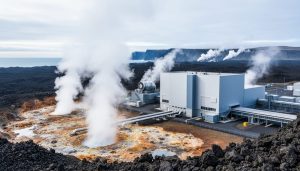
Emission reducing refers to the deliberate lowering of greenhouse gas and pollutant outputs through technology, behavioral changes, and policy interventions designed to mitigate climate change and improve air quality. The concept centers on decreasing the volume of carbon dioxide, methane, nitrous oxide, and other heat-trapping gases released into the atmosphere from human activities such as energy production, transportation, manufacturing, and agriculture.
The urgency behind emission reduction has never been clearer. Global temperatures in 2026 continue tracking above pre-industrial averages, with atmospheric CO₂ concentrations persisting at levels not seen in millions of years. What distinguishes emission reducing from carbon offsetting or sequestration is its focus on prevention rather than compensation. Instead of capturing emissions after release or purchasing credits to balance out pollution, reduction strategies stop pollutants from entering the atmosphere in the first place.
This article breaks down how emission reduction operates in practice, from the physical and chemical principles that enable cleaner processes to the categories of strategies organizations deploy. You’ll see sector-specific applications spanning power generation, industrial operations, and transportation, each facing distinct technical challenges and opportunities. The framework presented here equips professionals and decision-makers with the knowledge to evaluate reduction pathways, understand trade-offs between approaches, and recognize credible efforts versus superficial commitments in an era where every fraction of a degree matters.
What Emission Reducing Means
Emission reducing refers to deliberate actions and interventions that lower the quantity of greenhouse gases and pollutants released into the atmosphere from human activities. Unlike carbon offsetting, which compensates for emissions by funding reduction projects elsewhere, or carbon sequestration, which captures and stores carbon after release, emission reducing focuses on preventing releases at the source. This direct approach targets emissions from energy production, industrial processes, transportation, buildings, and agriculture before they enter the atmosphere.
The practice encompasses a spectrum of interventions, from switching coal plants to natural gas or renewables, to improving manufacturing efficiency, to redesigning supply chains. GHG emissions reductions are typically measured in tonnes of carbon dioxide equivalent (CO2e), a standard unit that converts all greenhouse gases to the warming potential of carbon dioxide for consistent accounting.
Understanding emission reducing requires familiarity with several core concepts:
- Emissions intensity
- The amount of emissions produced per unit of output, such as tonnes of CO2e per megawatt-hour of electricity or per dollar of GDP. Reducing intensity means getting more value from less carbon.
- Carbon dioxide equivalent (CO2e)
- A metric that expresses the warming impact of different greenhouse gases in terms of the equivalent amount of CO2, allowing methane, nitrous oxide, and other gases to be measured on a common scale.
- Scope 1, 2, and 3 emissions
- Scope 1 covers direct emissions from owned sources; Scope 2 includes indirect emissions from purchased energy; Scope 3 encompasses all other indirect emissions across the value chain, from suppliers to end-users.
- Mitigation
- The broader category of climate action aimed at limiting warming, within which emission reducing serves as the most direct and effective strategy for preventing atmospheric accumulation of greenhouse gases.
These distinctions matter because different reduction strategies apply to different emission sources and scopes, and accurate measurement determines whether efforts deliver genuine climate benefits or merely shift emissions elsewhere.
How Emission Reducing Works
Energy Efficiency and Conservation
Energy efficiency and conservation reduce emissions by cutting the amount of energy needed in the first place. When homes, factories, and vehicles require less energy to deliver the same service, whether heating, production, or transport, the power plants and engines burning fossil fuels run less, releasing fewer greenhouse gases and pollutants into the atmosphere. This direct relationship between energy use and emissions makes efficiency one of the most cost-effective reduction strategies available.
Consider insulation in buildings: a well-insulated home needs less heating in winter and less cooling in summer, which means the boiler or air conditioner consumes less fuel or electricity. If that electricity comes from a coal or gas plant, lower demand translates immediately into lower carbon dioxide output. The same principle applies in industry, where optimizing motor systems, recovering waste heat, or improving process controls can slash energy consumption by 10 to 30 percent without changing output levels.
The impact compounds across entire grids. Studies confirm that energy efficiency cuts emissions by reducing the total generation capacity required, which in turn lowers the carbon intensity of the energy system. Efficiency also buys time: while renewable energy scales up, every kilowatt-hour saved today is a kilowatt-hour that doesn’t need to come from a fossil plant tomorrow.
Fuel and Technology Substitution
Fuel and technology substitution replaces carbon-intensive energy sources and equipment with lower-emission alternatives, delivering immediate reductions in greenhouse gas output. This approach targets the fuel itself, shifting from coal to natural gas in power plants can cut CO₂ emissions by roughly 50% per unit of electricity generated, while transitioning to renewable sources like wind or solar eliminates direct combustion emissions entirely.
The substitution extends beyond energy production. Industrial facilities replace diesel-powered machinery with electric alternatives, ships experiment with ammonia or hydrogen fuels, and building heating systems shift from oil burners to heat pumps powered by clean electricity. Each switch changes the emission profile at the point of use.
Technology adoption accelerates these transitions. Modern combined-cycle gas turbines extract more energy per ton of fuel than older designs, while battery storage systems enable greater renewable integration by smoothing supply fluctuations. The effectiveness depends on lifecycle emissions, electric vehicles powered by coal-heavy grids offer modest benefits, whereas the same vehicles charged from renewable sources achieve dramatic reductions. Successful substitution requires infrastructure investment, compatible equipment, and often regulatory support to overcome upfront cost barriers.
Process and Operational Optimization
Industrial operations cut emissions by refining production sequences, recovering waste heat, and eliminating material losses. Lean manufacturing principles reduce energy-intensive rework. Predictive maintenance prevents inefficient equipment operation. Supply chain streamlining shortens transport distances and consolidates shipments. Smart sensors and real-time monitoring identify inefficiencies immediately, enabling continuous carbon performance improvements without major capital investments.
Types of Emission Reducing Strategies

Technology-Based Reductions
Technology-based reductions rely on hardware and engineering solutions that either prevent emissions from forming or capture them before release. These interventions span multiple scales, from individual devices to entire industrial systems.
Carbon capture and storage technologies intercept CO₂ from exhaust streams at power plants or factories, compressing the gas for underground injection or industrial reuse. Modern post-combustion capture systems can remove up to 90% of emissions from coal-fired facilities, though high capital costs and energy penalties have limited widespread deployment.
Renewable energy systemssolar photovoltaics, wind turbines, hydroelectric dams, and geothermal plants, generate electricity without combusting fossil fuels. Global renewable capacity additions exceeded 500 GW in 2023, displacing coal and natural gas generation that would have released hundreds of millions of tonnes of CO₂ annually.
Electric vehicles eliminate tailpipe emissions by replacing internal combustion engines with battery-electric drivetrains. Even accounting for grid electricity sources, EVs typically produce 50-70% fewer lifecycle emissions than comparable petrol vehicles in regions with moderately clean grids.
Advanced manufacturing technologies include high-efficiency motors, waste heat recovery systems, and precision process controls that reduce energy consumption per unit of output, directly lowering associated emissions from industrial operations.
Policy and Regulatory Approaches
Governments worldwide deploy policy tools to drive emission reductions at scale, creating economic incentives and legal obligations that reshape industry behavior. Cap-and-trade systems set declining emissions limits for entire sectors, then allow companies to buy and sell allowances, rewarding early adopters while penalizing laggards. The European Union’s Emissions Trading System covers roughly 40% of the bloc’s greenhouse gases, demonstrating how market-based mechanisms can deliver measurable cuts.
Carbon pricing places a direct cost on emissions through taxes or levies, making high-carbon activities more expensive and steering investment toward cleaner alternatives. Sweden’s carbon tax, introduced in 1991, has helped cut transport emissions while maintaining economic growth. Fuel standards mandate specific performance thresholds for vehicles, equipment, and industrial processes, effectively phasing out the dirtiest technologies without dictating the precise solution.
Regulatory frameworks layer performance standards, permitting requirements, and reporting obligations that force transparency and accountability. California’s Low Carbon Fuel Standard requires fuel suppliers to reduce the carbon intensity of their products by set percentages, accelerating the shift to biofuels and electrification. These policies work best when designed with clear targets, enforcement mechanisms, and periodic reviews that tighten ambition over time.
Behavioral and Demand-Side Measures
Individual and collective behavior shifts can cut emissions without requiring new infrastructure. Transportation choices offer immediate impact: replacing short car trips with walking or cycling, carpooling, consolidating errands to reduce vehicle miles, and choosing public transit where available. Remote work eliminates commuting emissions entirely for knowledge workers.
Consumption decisions matter significantly. Buying less overall reduces embodied emissions from manufacturing and shipping. Choosing durable goods over disposables, repairing rather than replacing, and selecting products with minimal packaging all lower demand for energy-intensive production. Dietary changes deliver measurable results, reducing meat consumption, particularly beef, decreases agricultural methane and land-use emissions. Food waste reduction prevents emissions from both production and decomposition.
Household energy use responds to behavior: lowering thermostats in winter, raising them in summer, air-drying laundry, and reducing hot water consumption. Digital habits contribute too, streaming video and cloud storage require data center energy, making moderation relevant.
These measures work cumulatively. A household implementing multiple demand-side changes can achieve emission reductions comparable to technological upgrades, often at lower cost and faster deployment than infrastructure solutions.
Where Emission Reducing Is Applied
Energy and Power Generation
The energy sector has achieved some of the most significant emission reductions in recent decades through three parallel transformations. First, the rapid deployment of solar photovoltaic and wind power has displaced coal and gas generation in many grids, improvements in wind energy efficiency and falling solar costs have made renewables the cheapest new electricity source in most markets. Second, grid modernization enables higher renewable penetration through battery storage, demand response systems, and smart transmission that balances variable generation. Third, remaining fossil fuel plants have adopted ultra-supercritical steam cycles, combined heat and power configurations, and precise load-following to cut emissions per megawatt-hour generated. Together, these shifts have reduced power sector carbon intensity by 30-40% in countries like the UK and Germany since 2010, demonstrating that deep decarbonization is technically and economically viable when all three strategies advance in concert.
Transportation and Mobility
Transportation accounts for roughly a quarter of global CO₂ emissions, making it a critical target for reduction efforts. Electrification leads the shift away from fossil fuels, battery electric vehicles (BEVs) eliminate tailpipe emissions entirely when charged with renewable electricity, while electric buses and freight trucks are rapidly scaling in urban fleets. Alternative fuels offer complementary pathways: hydrogen fuel cells suit long-haul trucking and heavy transport where battery weight becomes impractical, and sustainable aviation fuels cut lifecycle emissions from air travel. Public transit expansion reduces per-passenger emissions by consolidating trips, each added metro line or bus rapid transit corridor pulls thousands of single-occupancy vehicles off roads. Logistics optimization tackles freight emissions through route planning algorithms, load consolidation, and modal shifts from road to rail or ship where feasible, cutting fuel burn per ton-mile by as much as thirty percent in well-executed systems.
Industrial and Manufacturing Sectors
Industrial facilities account for roughly one-quarter of global emissions, making manufacturing a critical frontier for emission reducing. Effective strategies target three core areas: energy use, material inputs, and waste streams.
Process efficiency improvements start with heat recovery systems that capture waste thermal energy from furnaces, boilers, and chemical reactions, reusing it for preheating or power generation. Combined heat and power (CHP) installations can boost overall efficiency from 35% to over 80%.
Material substitution reduces embodied carbon by replacing emission-intensive inputs with lower-carbon alternatives, recycled aluminum instead of virgin metal, bio-based polymers in place of conventional plastics, or blended cement with reduced clinker content. These changes cut emissions from raw material extraction and processing.
Circular economy practices close production loops by designing for disassembly, remanufacturing components, and treating waste streams as feedstock. Steel mills using electric arc furnaces with scrap metal reduce emissions by 75% compared to blast furnace operations using iron ore.
Buildings and Urban Infrastructure
Buildings account for roughly 40% of global energy-related carbon emissions, making them a priority area for emission reducing efforts. New construction increasingly employs passive design principles, optimized orientation, thermal mass, high-performance insulation, and advanced glazing, that slash heating and cooling loads before mechanical systems even switch on. For existing stock, retrofitting offers substantial gains: upgrading windows, air-sealing envelopes, and installing heat pumps can halve a building’s carbon footprint, though financing and tenant disruption remain barriers.
Smart building management systems actively monitor and adjust lighting, HVAC, and equipment operation in real time, learning occupancy patterns to eliminate waste without sacrificing comfort. Low-carbon materials such as mass timber, recycled steel, and geopolymer cement reduce embodied emissions locked into construction itself, an often-overlooked source that can represent 20-30% of a building’s lifetime carbon burden. Urban-scale interventions, district heating networks, green roofs, and integrated energy planning, extend these principles across entire neighborhoods, turning cities into coordinated platforms for emission reduction.
Measuring and Tracking Emission Reductions

Accurate measurement underpins credible emission reduction efforts, transforming pledges into verifiable progress. Organizations use carbon accounting frameworks to quantify their emissions footprint and track reductions over time. The Greenhouse Gas Protocol, developed by the World Resources Institute and the World Business Council for Sustainable Development, provides the most widely adopted standard. It categorizes emissions into three scopes: Scope 1 covers direct emissions from owned or controlled sources; Scope 2 accounts for indirect emissions from purchased electricity, steam, heating, and cooling; Scope 3 encompasses all other indirect emissions in the value chain, from supplier activities to product end-of-life. Establishing a baseline year allows organizations to measure progress against a fixed reference point, typically calculating reductions as a percentage change from that starting inventory.
Monitoring systems range from direct measurement devices to estimation methodologies. Continuous emissions monitoring systems installed on smokestacks and exhaust points provide real-time data for regulated facilities. Energy meters, fuel consumption records, and activity data feed into calculation models using standardized emission factors published by agencies such as the Intergovernmental Panel on Climate Change and national environmental bodies. For operations approaching zero emissions these tracking systems become particularly critical to validate the near-complete elimination of greenhouse gas outputs.
Third-party verification adds credibility to reported reductions. Standards like ISO 14064-3 outline requirements for validating and verifying greenhouse gas assertions. Independent auditors review calculation methodologies, examine supporting documentation, and assess data quality before issuing verification statements. This external scrutiny matters for carbon markets, regulatory compliance, and corporate sustainability reporting, ensuring that claimed reductions reflect genuine atmospheric benefits rather than accounting adjustments or data manipulation.
Common Questions About Emission Reducing

Implementing emission reducing strategies raises practical questions about timelines, costs, and the balance between individual and systemic action. Understanding these fundamentals helps organizations and individuals make informed decisions about their reduction efforts.
How quickly can emission reductions be achieved?
The timeline varies by strategy: energy efficiency upgrades and operational changes can deliver reductions within months, while fuel switching and infrastructure transitions typically require years to decades. Most organizations see measurable progress within the first 12-24 months of implementing a structured reduction program.
What’s the difference between reducing and offsetting emissions?
Reducing emissions directly lowers the amount of greenhouse gases released from your operations or activities, while offsetting involves paying for emission reductions elsewhere to compensate for your own emissions. Reduction is generally considered more effective and credible than offsetting.
Are emission reductions economically viable?
Many reduction measures deliver net cost savings through lower energy bills and improved efficiency, though upfront capital costs can be significant. The economic case strengthens as carbon pricing mechanisms expand and clean technology costs continue declining.
What role does individual action play?
Individual choices in transportation, energy use, and consumption account for roughly 25-30% of total emissions in developed economies. While systemic change through policy and corporate action is essential, individual decisions collectively create market signals and cultural shifts that accelerate broader transitions.
The cost barrier often appears more formidable than reality warrants. While certain technologies demand substantial initial investment, the total cost of ownership frequently favors cleaner alternatives when fuel savings, maintenance reductions, and avoided carbon costs factor into the calculation. Solar installations and electric vehicle fleets, for instance, typically reach payback within five to eight years in most markets.
Implementation challenges extend beyond finance. Technical capacity, supply chain constraints, and regulatory complexity can slow deployment even when funding is available. Organizations succeeding at scale usually start with quick wins that build momentum and expertise before tackling more complex reductions.
Emission reducing stands at the heart of global climate action, representing the most direct path to limiting atmospheric greenhouse gas concentrations. Unlike offsetting strategies that attempt to balance emissions elsewhere or sequestration approaches that capture carbon after release, reducing emissions at the source prevents the problem from occurring in the first place. The evidence across sectors demonstrates that meaningful reductions require coordinated action across three dimensions: technological advancement, policy frameworks, and shifts in behavior.
No single approach delivers sufficient impact alone. Technology provides the tools, renewable energy systems, efficient manufacturing processes, electric transportation, but only policy mechanisms like carbon pricing and regulatory standards create the economic conditions that drive widespread adoption. Similarly, individual and organizational choices about consumption, travel, and resource use amplify or undermine the effectiveness of technological and policy interventions. The most successful emission reducing programs integrate all three elements, creating reinforcing cycles where innovation enables new policies, policies shift market dynamics, and changing behaviors increase demand for cleaner alternatives.
Looking ahead, the emission reducing landscape continues to evolve. Emerging technologies in industrial heat, sustainable aviation fuels, and low-carbon materials promise reductions in historically difficult sectors. Advances in monitoring and verification systems improve transparency and accountability. The challenge remains scaling proven solutions fast enough to meet climate commitments while developing breakthrough approaches for remaining emissions. Success depends on maintaining momentum across all fronts, technical, regulatory, and social, recognizing that emission reducing isn’t a single solution but an ongoing process of optimization, substitution, and transformation across the entire economy.