Zero emissions describes technologies, processes, or systems that release no greenhouse gases or air pollutants during operation. Unlike net-zero, which permits emissions balanced by offsets or removal, or carbon neutral, which focuses solely on carbon dioxide, zero emissions demands an absolute absence of harmful releases at the point of use.
The distinction matters because climate policies, corporate sustainability pledges, and consumer purchasing decisions increasingly hinge on precise language. A battery-electric vehicle qualifies as zero-emissions during operation because its motor produces no exhaust. A hydrogen fuel cell bus likewise emits only water vapor. Yet both terms invite scrutiny of upstream emissions from electricity generation or hydrogen production, questions that shape regulatory frameworks and technology roadmaps alike.
This article clarifies what zero emissions actually means in technical and practical terms. We’ll examine the mechanisms that enable truly emission-free operation, distinguish among technology categories that claim zero-emissions status, and map how these systems function across transportation, power generation, and industrial applications. The analysis draws on current engineering standards, emissions accounting protocols, and interviews with researchers advancing next-generation zero-emissions platforms.
Understanding zero emissions requires separating operational performance from lifecycle impacts. Most technologies labeled zero-emissions achieve that status only during use, while manufacturing, fuel production, and disposal stages may still generate significant emissions. Recognizing this boundary helps professionals evaluate claims, policymakers design effective incentives, and the public grasp what different sustainability targets actually deliver. The goal here is precision over aspiration, grounded in how these systems work in 2026 and beyond.
What Zero Emissions Really Means
Zero emissions describes systems, processes, or activities that release no greenhouse gases into the atmosphere during operation. This represents the most direct form of climate mitigation: preventing emissions at the source rather than compensating for them afterward. A solar panel generating electricity, a battery-electric vehicle driving on the road, or a wind turbine producing power all operate with zero emissions because they function without combustion or chemical reactions that release carbon dioxide, methane, or other greenhouse gases.
The precision matters. True zero emissions means exactly that, no greenhouse gas release whatsoever. This differs fundamentally from related concepts that allow for some emissions if balanced by offsetting measures:
- Zero emissions
- Systems or activities that release no greenhouse gases during operation, achieved through technologies like renewable electricity generation or battery-electric motors.
- Net-zero emissions
- A state where any greenhouse gases released are balanced by an equivalent amount removed from the atmosphere, resulting in no net increase in atmospheric concentrations.
- Carbon neutrality
- Achieving a balance between carbon emissions and carbon removal or offsetting, often through purchasing carbon credits rather than eliminating emissions directly.
- Gross emissions
- The total quantity of greenhouse gases released before any removal, offsetting, or compensation measures are applied.
- Carbon removal
- Technologies or natural processes that extract carbon dioxide from the atmosphere, such as direct air capture or afforestation.
The distinction shapes technology development and policy design in practical ways. A power plant burning natural gas with carbon capture might achieve net-zero but still produces gross emissions requiring capture infrastructure. A wind farm reaches zero emissions with no capture needed. This difference affects system complexity, cost, risk of leakage, and long-term reliability.
Policymakers designing emissions standards must specify which definition applies. A zero-emissions vehicle mandate requires battery-electric or hydrogen fuel cell cars; a net-zero mandate might allow combustion engines paired with offsets. The former drives technology substitution. The latter permits incremental improvements to existing systems.
Confusion between these terms dilutes climate commitments. When companies claim “zero emissions” while actually achieving carbon neutrality through purchased offsets, they obscure whether they’ve eliminated pollution or simply paid to compensate for it elsewhere.
How Zero Emissions Systems Work

Energy Generation Without Emissions
Renewable electricity generation achieves zero emissions by converting natural energy flows into power without combustion. Solar photovoltaic panels transform sunlight directly into electricity through semiconductor materials that release electrons when struck by photons, no fuel burns, no gases form. Wind turbines capture kinetic energy from moving air, spinning generators that produce current through electromagnetic induction rather than thermal processes. Hydroelectric systems harness gravitational potential energy as water flows through turbines, again relying on mechanical conversion rather than chemical reactions.
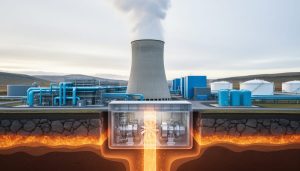
Geothermal plants tap heat from Earth’s interior to drive steam turbines, and while geothermal has low emissions from subsurface gases in some locations, advanced closed-loop systems eliminate even these trace releases. The operational phase of these technologies produces electricity with functionally zero greenhouse gas output because they avoid oxidizing carbon-based fuels.
Home solar power installations demonstrate this principle at residential scale, converting rooftop sunlight without any exhaust stream. Similarly, improvements in wind energy efficiency have increased power output per turbine while maintaining zero operational emissions, making these systems the backbone of decarbonized grids.
Zero-Emissions Transportation
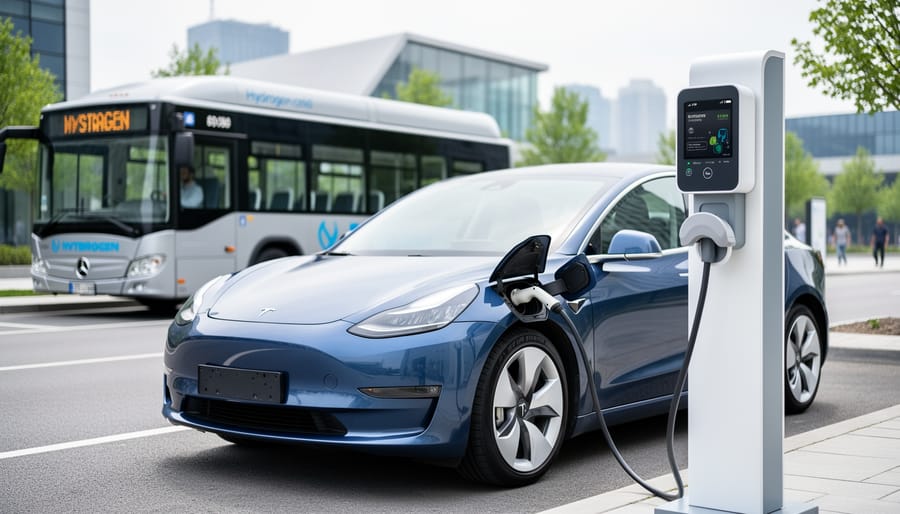
Zero-emissions transportation eliminates tailpipe pollution through two primary pathways: battery electric vehicles that run on stored electricity, and vehicles powered by hydrogen fuel cells that generate electricity onboard. Battery electric vehicles draw power from rechargeable lithium-ion batteries charged via the electrical grid, converting that stored energy directly into motion through electric motors without any combustion. When charged from renewable sources, the entire energy chain produces no greenhouse gas emissions.
Hydrogen fuel cell vehicles take a different approach: they combine hydrogen gas with oxygen from the air in an electrochemical reaction that generates electricity to power the motor. The only byproduct is water vapor, fuel cell vehicles emit none of the carbon dioxide or pollutants associated with gasoline or diesel engines. The zero-emissions claim depends on how the hydrogen is produced; green hydrogen made via electrolysis powered by renewables completes the emissions-free chain, while hydrogen derived from natural gas without carbon capture introduces upstream emissions.
Both technologies achieve zero tailpipe emissions, but they differ in refueling time, range characteristics, and infrastructure requirements. Electric vehicles dominate passenger car markets, while hydrogen fuel cells show promise for heavy-duty transport where weight and refueling speed matter more.
Industrial Process Transformations
Heavy industry, steel, cement, chemicals, accounts for roughly a quarter of global emissions, and these sectors have historically relied on fossil fuel combustion for the extreme heat their processes demand. Achieving zero emissions here requires fundamental changes to production methods, not just fuel switching.
Process electrification replaces fossil-fired furnaces with electric heating powered by renewables. Electric arc furnaces in steelmaking, for instance, melt scrap metal using electricity rather than coking coal, eliminating direct emissions when the grid is clean.
Green hydrogen enables zero-carbon reduction chemistry in processes where electrification alone won’t work. Steelmakers are piloting direct reduced iron methods that use hydrogen instead of carbon to strip oxygen from iron ore, producing water vapour rather than CO₂.
Alternative chemistry redesigns industrial reactions altogether. Cement producers are testing calcined clay blends that require lower kiln temperatures and release less process CO₂ than traditional limestone-based cement.
These transformations demand significant capital investment and often operate at pilot scale in 2026, but they demonstrate technically viable pathways to industrial decarbonization.
Categories of Zero Emissions Technology
Direct Zero Emissions Technologies
Direct zero emissions technologies eliminate greenhouse gas releases at the point of operation by fundamentally avoiding combustion and chemical processes that generate carbon dioxide or other pollutants. This category represents the most straightforward path to zero emissions because these systems produce clean energy or motion without any emissions management required.
Renewable electricity generation technologies, solar photovoltaic panels, wind turbines, hydroelectric dams, and geothermal plants, convert natural energy flows directly into electricity through mechanical or electronic processes. During operation, they release no greenhouse gases, though their manufacturing and installation do carry embodied emissions that lifecycle assessments must account for.
Battery energy storage systems enable zero-emissions power delivery by storing electricity electrochemically and releasing it on demand without combustion. Lithium-ion batteries dominate current deployments, while emerging chemistries like solid-state and sodium-ion technologies promise improved performance and resource efficiency.
Electric motors and drives convert stored electrical energy into mechanical work with near-perfect efficiency and zero local emissions. These devices power everything from industrial equipment to consumer vehicles, replacing internal combustion engines that inherently produce exhaust.
Passive systems, including advanced building insulation and natural ventilation designs, reduce or eliminate energy consumption entirely rather than switching to clean energy sources. While technically not “zero emissions technologies” in the energy conversion sense, they achieve the same climate outcome by rendering energy use unnecessary.
Zero-Carbon Fuel Systems
Zero-carbon fuels deliver energy without adding carbon dioxide to the atmosphere, either by burning hydrogen (which produces only water vapor) or by using synthetic fuels made from captured CO₂ that recycle existing atmospheric carbon rather than releasing fossil reserves.
Green hydrogen, produced by splitting water molecules using renewable electricity, stands as the purest zero-carbon fuel. Fuel cells combine this hydrogen with oxygen to generate electricity directly, powering everything from forklifts to regional trains without combustion. When hydrogen does burn in modified engines or turbines, the only emission is water.
Synthetic fuels, often called e-fuels or power-to-liquid fuels, use captured CO₂ and green hydrogen to create drop-in replacements for gasoline, diesel, or jet fuel. While these fuels do release CO₂ when burned, they’re considered carbon-neutral because they recycle CO₂ that would already be in the atmosphere, creating a closed loop. Sustainable aviation fuel follows similar principles, blending synthetic hydrocarbons or bio-derived molecules to meet aviation’s demanding energy density requirements where batteries remain impractical.
These fuel systems enable zero-carbon operation in sectors where direct electrification faces technical barriers, though production costs currently exceed conventional fuels by two to five times.
Hybrid Approaches with Carbon Management
Hybrid approaches combine emission-producing processes with carbon capture technologies to achieve net-zero outcomes rather than absolute zero at the point of operation. These systems acknowledge that some industrial processes remain difficult to eliminate entirely, instead capturing and permanently storing the CO₂ they generate.
Bioenergy with carbon capture and storage (BECCS) represents the most developed hybrid approach. Plants absorb atmospheric CO₂ as they grow, then get converted to biofuels or burned for energy. Capturing the emissions from combustion and storing them underground creates a carbon-negative cycle, removing more CO₂ than the process releases. Several industrial facilities in Europe and North America now operate BECCS systems at commercial scale, primarily in ethanol production and paper manufacturing.
Blue hydrogen production follows similar logic: natural gas reforming generates hydrogen fuel alongside CO₂, which gets captured rather than vented. When the capture rate exceeds 90%, the resulting hydrogen approaches zero-emissions status for transportation and industrial use.
These hybrid systems serve as transitional solutions where direct electrification or green hydrogen remain economically prohibitive. Critics note they depend on permanent geological storage and high capture efficiency to deliver promised climate benefits, making verification and monitoring essential for credibility.
Where Zero Emissions Technology Is Applied Today
Zero emissions technology has moved from pilot projects to mainstream deployment across multiple sectors, with adoption varying by technical maturity, infrastructure readiness, and policy support. The pace of implementation differs significantly between regions and industries, but clear patterns have emerged in where these technologies deliver the most immediate impact.
Electricity generation leads global zero emissions deployment. Utility-scale solar farms now generate hundreds of gigawatts worldwide, with installations spanning from California’s desert arrays to Australia’s outback facilities. Wind power has achieved similar scale, particularly in offshore projects across Northern Europe and coastal China. Hydroelectric systems continue providing baseload zero-emissions power in regions with suitable geography. Countries like Norway, Iceland, and Costa Rica have demonstrated that entire national grids can run predominantly on renewable electricity, proving technical feasibility at scale.
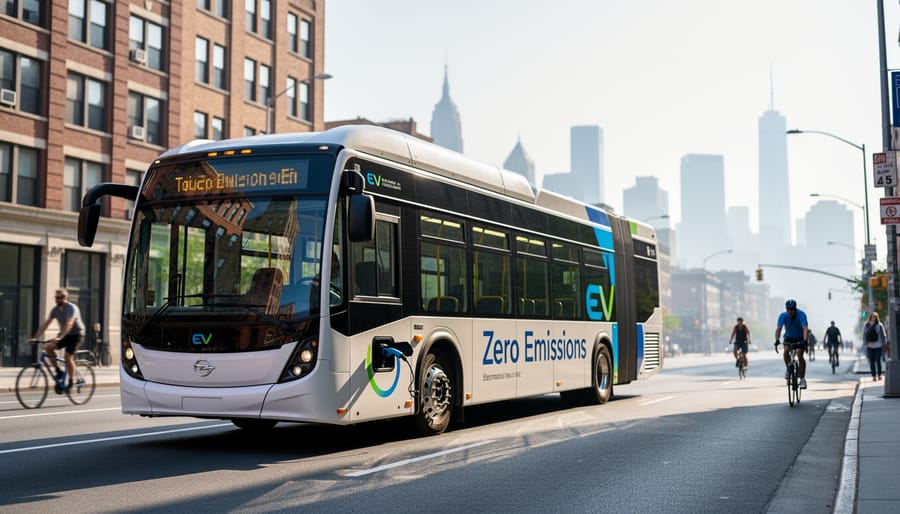
Transportation electrification has accelerated rapidly in passenger vehicles and urban transit. Electric vehicle sales reached substantial market share in Norway, China, and several European nations, supported by charging infrastructure expansion and purchase incentives. Public bus fleets in major cities have transitioned to battery-electric models, eliminating diesel emissions in high-density corridors. Electric trains dominate in countries with electrified rail networks, while maritime shipping has begun testing battery-powered ferries on shorter routes.
Major application sectors where zero emissions technology operates today include:
- Utility-scale solar farms generating hundreds of megawatts in desert and rural locations
- Electric vehicle fleets replacing combustion engines in passenger cars, delivery vans, and municipal buses
- Zero-emissions buildings using heat pumps, rooftop solar, and battery storage for heating and power
- Green steel production facilities using hydrogen-based direct reduction instead of coal blast furnaces
- Precision agriculture systems powered by electric tractors and solar-pumped irrigation
Building sector applications have expanded through heat pump installations replacing fossil fuel heating systems, particularly in temperate climates where the technology performs efficiently. Commercial buildings increasingly integrate rooftop solar with battery storage, achieving net-zero energy consumption during daylight hours. Residential construction in forward-looking jurisdictions now mandates all-electric systems.
Manufacturing presents more varied adoption. Green hydrogen production facilities have come online in regions with abundant renewable electricity, supplying zero-carbon fuel for industrial processes. Steel manufacturers have commissioned hydrogen-based direct reduction plants, eliminating coal dependency in pilot facilities. Chemical producers have begun transitioning ammonia synthesis to green hydrogen feedstock.
Agriculture shows emerging applications in electric farm equipment and solar-powered irrigation, though internal combustion machinery still dominates due to power requirements and operational range needs. Geographic concentration remains pronounced, with Scandinavia, Western Europe, California, and parts of China and Australia leading deployment across most sectors, driven by combinations of renewable resource availability, policy frameworks, and capital access.
Zero Emissions Within Broader Reduction Strategies

Zero emissions sits at the top of the mitigation hierarchy, but it works alongside several complementary reduction strategies rather than replacing them outright. Understanding this hierarchy helps organizations and policymakers sequence their climate actions effectively.
The most cost-effective starting point is energy efficiency, reducing consumption through better insulation, process optimization, and equipment upgrades. These measures cut emissions immediately without requiring fuel changes. Next comes fuel switching, such as replacing coal with natural gas or diesel with biodiesel, which lowers emissions intensity per unit of energy while maintaining existing infrastructure.
Electrification represents the bridge to zero emissions. Converting heating systems, vehicles, and industrial processes to run on electricity creates the potential for zero emissions once that electricity comes from renewable sources. This two-step approach, electrify first, clean the grid second, has driven rapid progress in sectors like passenger vehicles and building heating.
GHG reductions through these methods form the foundation, but residual emissions remain in hard-to-abate sectors like aviation, cement production, and agriculture. This is where the distinction between absolute zero and net-zero becomes crucial. Some sectors may never achieve true zero emissions with current technology, making carbon removal and high-quality offsets necessary complements.
Zero emissions represents the ultimate target because it eliminates the ongoing need for offsets and carbon removal, which face scalability limits and verification challenges. Every sector moved to genuine zero emissions reduces the burden on these expensive, finite solutions. The pathway forward requires deploying all strategies in parallel: efficiency and switching for immediate reductions, electrification as the medium-term transition, and zero-emissions technologies as the permanent solution wherever technically feasible.
Common Questions About Zero Emissions
Professionals and policymakers evaluating zero-emissions strategies encounter recurring questions that reveal both the opportunities and limitations of current approaches. Understanding these nuances helps distinguish achievable targets from aspirational claims.
Can Every Sector Actually Reach True Zero Emissions?
Some sectors face steeper technical challenges than others. Electricity generation has largely solved the zero-emissions puzzle through wind, solar, and other renewables. Light-duty transportation is following through battery electrification. Heavy industry, aviation, and long-haul shipping confront harder problems, processes that require extreme heat, chemical reactions that inherently produce CO₂, or weight constraints that limit battery viability. These “hard-to-abate” sectors may need green hydrogen, sustainable fuels, or process redesigns that are still maturing. Absolute zero remains technically possible across most applications, but timelines and costs vary dramatically by sector.
What’s the difference between zero emissions and net-zero emissions?
Zero emissions means no greenhouse gases are released during operation, while net-zero allows emissions balanced by equivalent carbon removal. A solar panel is zero emissions; a natural gas plant with carbon capture is net-zero.
Do lifecycle emissions count in zero-emissions claims?
Zero emissions typically refers to operational emissions only. Manufacturing a wind turbine or EV battery generates emissions, but these are “embodied” or “lifecycle” emissions measured separately from the zero-emissions operation phase.
How does zero emissions differ from carbon offsetting?
Zero-emissions systems prevent emissions at the source, while offsetting compensates for emissions by funding reduction elsewhere. Zero emissions represents actual avoidance; offsets represent a financial claim to someone else’s reduction.
Are zero-emissions technologies cost-competitive today?
Onshore wind and utility solar now cost less than fossil generation in most markets. Electric vehicles approach price parity with combustion models. Industrial applications and hard-to-electrify transport still carry cost premiums that continue declining.
Verification and Standards Challenges
Confirming zero-emissions status requires robust measurement and verification frameworks. Power generation benefits from established grid emissions accounting and renewable energy certificates. Transportation faces questions about upstream electricity generation mix. Industries must define system boundaries, does a steel mill’s claim include the mining emissions of its iron ore? International standards bodies are still harmonizing definitions, creating gaps where companies can interpret “zero emissions” generously. Third-party certification and science-based target frameworks provide guardrails, but inconsistencies persist across jurisdictions and sectors.
The economic picture shifts rapidly as technologies mature and policies evolve. What seemed prohibitively expensive five years ago may be competitive today, and current cost premiums often forecast tomorrow’s commodity pricing.
Zero emissions represents the elimination of greenhouse gas releases at the point of operation, achieved through technologies that fundamentally avoid combustion and fossil fuel dependence. As this article has shown, multiple pathways deliver this outcome: renewable electricity generation that converts natural energy flows without emissions, electrification that replaces combustion with clean power, hydrogen systems that produce only water vapor, and industrial process transformations that substitute chemistry itself.
The distinction between absolute zero emissions and net-zero approaches matters for technology selection and policy design. True zero-emissions systems require no offsetting or carbon removal to balance their climate impact, making them the most direct route to decarbonization. Where technical or economic barriers prevent immediate zero-emissions adoption, they serve as the ultimate benchmark toward which transitional strategies must progress.
Implementation continues to accelerate across electricity grids, transportation networks, and industrial facilities. The technologies exist and function at commercial scale today. Remaining challenges center on cost reduction through manufacturing scale, infrastructure build-out, and policy frameworks that recognize the full climate value of eliminating emissions rather than merely reducing them. Every sector that achieves zero emissions removes uncertainty from future climate calculations and eliminates the need for perpetual offsetting or removal investments.