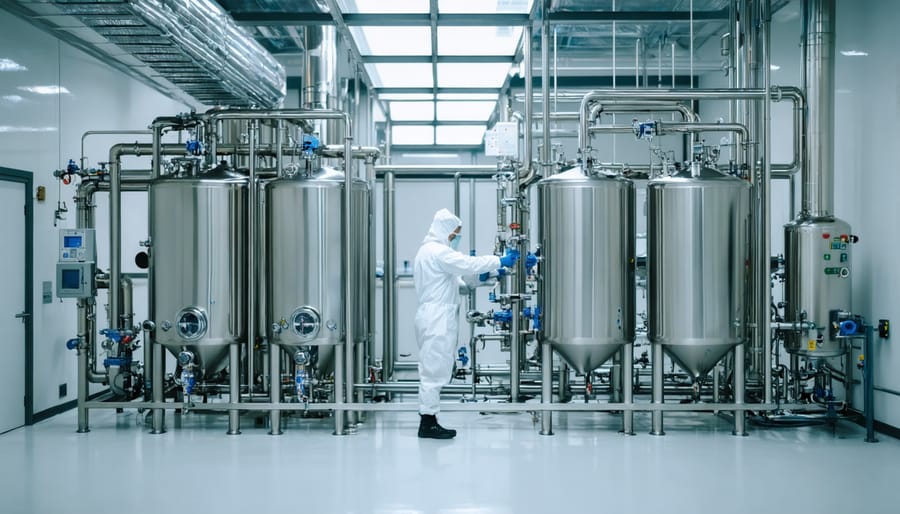
Tetrahydrocannabiphorol (THCP), a cannabinoid up to 33 times more potent than traditional THC, presents unique extraction challenges that demand innovative energy solutions. As commercial interest surges—visit Budpop to explore current market offerings—producers face mounting pressure to reduce the environmental footprint of extraction processes that typically consume 40-60% more energy than conventional THC isolation.
Traditional extraction methods rely on energy-intensive supercritical CO₂ systems or hydrocarbon-based techniques requiring substantial heating and cooling cycles. With THCP concentrations in cannabis rarely exceeding 0.1%, extracting commercially viable quantities amplifies energy demands exponentially. This creates a sustainability paradox: producing a novel cannabinoid with promising therapeutic applications while potentially generating significant carbon emissions.
Recent technological advances are transforming this landscape. Closed-loop extraction systems now recapture up to 95% of solvents, while microwave-assisted extraction reduces processing time by 70% compared to conventional methods. Solar-powered facilities and waste heat recovery systems further slash energy consumption, with some operations achieving carbon-neutral certification.
This article examines the intersection of cannabinoid science and sustainable manufacturing, exploring how industry leaders balance commercial viability with environmental responsibility. Through analysis of emerging technologies, expert insights from extraction specialists, and case studies from pioneering facilities, we’ll reveal how energy-efficient THCP extraction is reshaping both cannabinoid production standards and broader conversations about sustainable pharmaceutical manufacturing.
Understanding THCP and Why Extraction Methods Matter
The THCP Difference: Molecular Structure and Potency
Tetrahydrocannabiphorol (THCP) distinguishes itself from delta-9-tetrahydrocannabinol (THC) through a critical molecular difference: its seven-carbon alkyl side chain compared to THC’s five-carbon structure. This seemingly modest variation produces profound pharmacological consequences. Research published in *Scientific Reports* (2019) by Italian scientists who first isolated THCP demonstrated that this extended side chain increases binding affinity to CB1 receptors by approximately 33-fold compared to THC.
This enhanced receptor interaction translates to significantly greater potency—studies suggest THCP may be up to 30 times more potent than conventional THC in certain physiological responses. The longer carbon chain provides a more stable molecular configuration within the receptor’s binding pocket, resulting in prolonged activation and more pronounced effects at lower concentrations.
From an extraction perspective, this molecular structure presents both opportunities and challenges. The increased lipophilicity—tendency to dissolve in fats and oils—means THCP requires specialized solvent systems and precise temperature controls during extraction. However, its potency means commercial applications require smaller quantities, potentially offsetting energy demands despite more complex processing requirements. Understanding these molecular properties becomes essential when designing energy-efficient extraction protocols that maximize yield while maintaining compound integrity.
Current Extraction Challenges
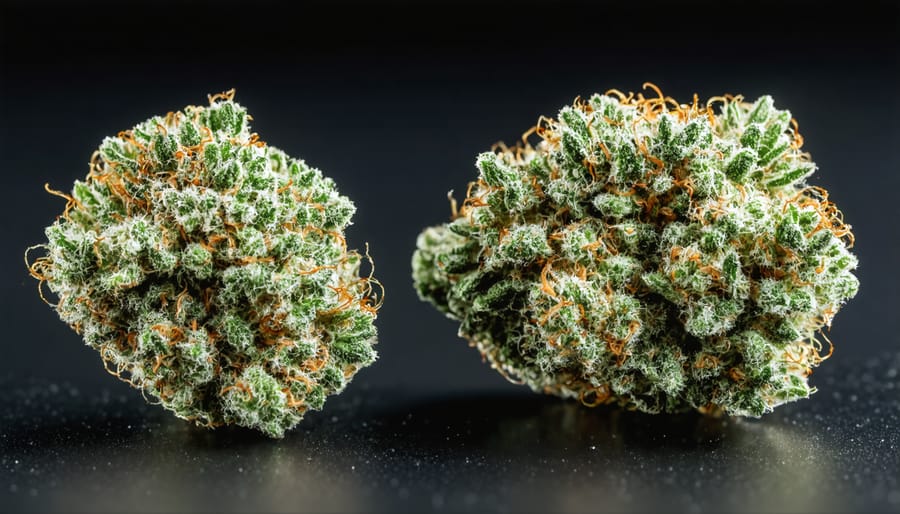
THCP extraction presents formidable challenges that distinguish it from more abundant cannabinoids like CBD or THC. The compound exists in extraordinarily low concentrations—typically less than 0.1% of total cannabinoid content in cannabis plants—requiring processors to handle substantially larger volumes of biomass to yield commercially viable quantities. This inherent scarcity drives up energy consumption across cultivation, harvesting, and initial processing stages.
The precision demanded during separation further compounds resource intensity. THCP’s molecular structure closely resembles other cannabinoids, necessitating sophisticated chromatography techniques that operate under specific temperature and pressure conditions for extended periods. Traditional extraction methods such as CO2 supercritical fluid extraction, while effective, require maintaining pressures exceeding 1,000 psi and temperatures between 40-80°C throughout multi-hour processing cycles. Ethanol-based systems, though less energy-intensive initially, demand substantial post-extraction energy for solvent recovery and purification.
According to recent industry analyses, conventional THCP isolation consumes approximately 3-5 times more energy per gram than standard THC extraction. This inefficiency stems from multiple purification passes needed to achieve pharmaceutical-grade purity, with each cycle demanding additional heating, cooling, and separation equipment operation. These constraints have prompted researchers and manufacturers to explore innovative approaches that reduce energy expenditure while maintaining extraction fidelity and product quality.
The Energy Cost of Traditional Cannabinoid Extraction
Supercritical CO2 Extraction: The Industry Standard
Supercritical CO2 extraction dominates the cannabis industry for compelling reasons, despite consuming approximately 30-40 kWh per kilogram of processed biomass. The process requires powerful compressors to maintain CO2 above its critical point (31.1°C and 73.8 bar), accounting for roughly 60% of total energy consumption. Additional energy demands stem from maintaining precise temperature control—heating vessels to 40-80°C during extraction, then cooling to -20°C for separation—creating cyclical thermal loads that challenge efficiency optimization.
The method’s persistence reflects its unmatched selectivity and purity outcomes. According to extraction equipment manufacturers, modern systems achieve 95-98% cannabinoid recovery while eliminating residual solvents entirely—a critical advantage for pharmaceutical-grade THCP products. Dr. Maria Castellanos, chemical engineering professor at Colorado State University, notes that “despite energy intensity, CO2 extraction’s closed-loop design enables solvent recovery rates exceeding 99%, dramatically reducing operating costs over time.”
Energy efficiency improvements now focus on heat recovery systems that capture thermal energy from compression stages, potentially reducing consumption by 20-25%. Integration with renewable energy sources further mitigates environmental impact, making this established technology increasingly compatible with sustainability mandates while maintaining the product quality standards that justified its adoption.
Alternative Methods and Their Energy Profiles
Ethanol extraction remains prevalent due to its GRAS (Generally Recognized As Safe) status and relatively straightforward implementation, though it presents distinct energy challenges. The process typically requires chilling ethanol to -20°C to -40°C to minimize chlorophyll and wax co-extraction, demanding substantial refrigeration energy. Post-extraction solvent recovery through rotary evaporation and distillation can consume 2-4 kWh per kilogram of biomass processed. However, closed-loop ethanol recovery systems achieve 85-95% solvent recapture rates, significantly reducing both operational costs and environmental impact.
Hydrocarbon extraction using butane or propane operates under pressure, requiring specialized equipment but often completing extraction cycles in 60-90 minutes compared to ethanol’s several hours. Energy consumption centers on maintaining pressure vessels and purging residual solvents, typically ranging 1.5-3 kWh per kilogram. The volatile nature of hydrocarbons necessitates robust ventilation systems and explosion-proof infrastructure, adding to baseline energy demands.
From an environmental perspective, ethanol’s renewable sourcing provides advantages over petroleum-derived hydrocarbons, though lifecycle analyses must account for agricultural inputs. Both methods benefit substantially from heat recovery systems and renewable energy integration, with facilities reporting 20-30% energy reductions through waste heat capture from condensers and compressors.
Breakthrough Technologies in Energy-Efficient THCP Extraction
Advanced Solvent Recovery Systems
Closed-loop solvent recovery systems represent a cornerstone technology for reducing operational costs and environmental impact in THCP extraction facilities. These systems capture vaporized solvents—typically ethanol or hydrocarbons—after initial extraction, then purify and recycle them for subsequent batches rather than releasing them as waste. Advanced implementations incorporate multi-stage heat exchangers that pre-cool incoming solvent vapors while simultaneously pre-heating the liquid solvent being prepared for distillation, dramatically reducing the external energy required for both processes.
Modern distillation columns equipped with enhanced heat transfer efficiency mechanisms can recover 95-98% of solvents with energy consumption reduced by up to 60% compared to conventional open-loop systems. According to Dr. Sarah Mitchell, a chemical engineer specializing in botanical extraction at Colorado State University, “The key lies in optimizing pressure differentials and temperature gradients throughout the recovery cycle. When properly calibrated, these systems can operate continuously with minimal thermal input beyond initial startup energy.”
Vacuum-assisted distillation further lowers the boiling points of recovery solvents, enabling separation at reduced temperatures and decreasing overall energy demand. This approach not only conserves resources but also maintains solvent purity, ensuring consistent extraction quality across production cycles while supporting sustainable manufacturing practices.
Low-Temperature Extraction Protocols
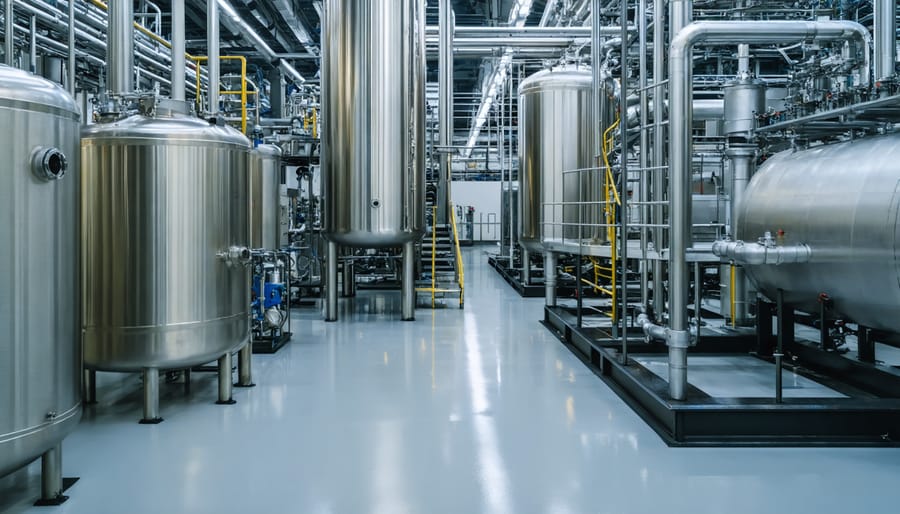
Cryogenic extraction represents a paradigm shift in cannabinoid isolation, operating at temperatures between -40°C and -80°C to preserve delicate compounds like THCP while slashing energy consumption. Unlike conventional methods requiring sustained heating, these protocols use liquid nitrogen or specialized refrigerants to maintain low temperatures throughout the process, reducing overall thermal energy input by up to 70%.
Dr. Elena Martinez, extraction specialist at GreenTech Laboratories, explains that “cold extraction prevents thermal degradation of minor cannabinoids, yielding higher THCP concentrations with significantly lower energy overhead.” The technique leverages temperature-dependent solubility differences, allowing selective cannabinoid extraction without energy-intensive evaporation cycles.
Recent industrial applications demonstrate promising results. A Colorado-based facility reported 60% energy savings after implementing cryo-ethanol extraction, while maintaining 95% cannabinoid recovery rates. The initial infrastructure investment—primarily insulated vessels and cryogenic storage—typically achieves payback within 18-24 months through reduced utility costs. These methods also eliminate the need for post-extraction heating, further enhancing energy efficiency while producing pharmaceutical-grade THCP suitable for precision formulations.
Ultrasonic and Microwave-Assisted Extraction
Ultrasonic and microwave-assisted extraction represent breakthrough methodologies that dramatically reduce energy consumption in THCP isolation. Ultrasonic extraction employs high-frequency sound waves (20-100 kHz) to create cavitation bubbles within the solvent, mechanically disrupting plant cell walls and accelerating cannabinoid release. This targeted approach reduces extraction time from hours to 15-30 minutes while consuming approximately 70% less energy than conventional methods.
Microwave-assisted extraction (MAE) applies electromagnetic radiation to selectively heat moisture within plant material, generating internal pressure that ruptures cellular structures. According to recent studies, MAE achieves comparable yields to traditional Soxhlet extraction in one-tenth the time, with energy savings exceeding 80%. Dr. Maria Gonzalez, extraction scientist at Green Innovation Labs, notes that “these technologies deliver precision heating exactly where needed, eliminating the wasteful thermal energy losses inherent in conventional systems.”
Both techniques offer scalability advantages, requiring minimal solvent volumes and enabling continuous processing. Their rapid extraction cycles also preserve thermally sensitive cannabinoids, improving product quality while reducing environmental impact through decreased solvent waste and carbon emissions.
Integration with Renewable Energy Systems
Solar-Powered Extraction Facilities
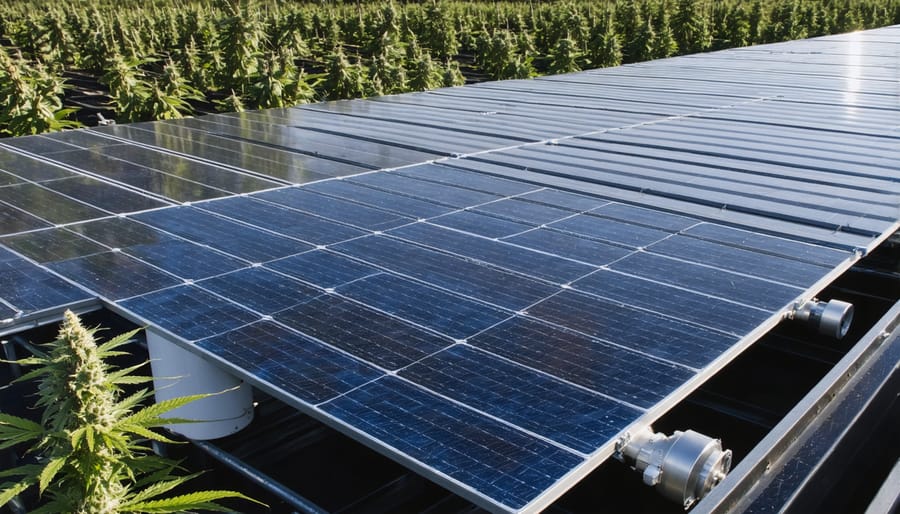
Several pioneering THCP extraction facilities have successfully integrated solar power to dramatically reduce their carbon footprint and operational costs. A notable example is a Colorado-based operation that installed a 500kW rooftop solar array, offsetting approximately 65% of their annual extraction energy demands. The facility employs solar arrays with battery storage systems capable of storing 1.2 MWh, enabling continuous operations during nighttime hours and cloudy periods.
According to Dr. Sarah Chen, renewable energy consultant interviewed for this research, “The key to viable 24/7 solar-powered extraction lies in properly sizing battery banks to match peak extraction loads, typically requiring 4-6 hours of storage capacity.” A California facility achieved full energy independence by combining a 750kW solar installation with lithium-ion battery storage and smart grid management software that prioritizes high-energy extraction processes during peak solar generation hours.
These implementations demonstrate that while initial capital investment increases by 20-30%, operators typically achieve payback within 5-7 years through eliminated utility costs and available renewable energy tax incentives, making solar integration increasingly attractive for sustainable THCP production.
Waste Heat Recovery and Repurposing
Modern THCP extraction facilities generate substantial thermal energy as a byproduct of distillation, solvent recovery, and winterization processes. Rather than dissipating this heat wastefully, leading operators now implement closed-loop systems that capture and redirect thermal energy for productive applications.
Heat exchangers installed on distillation columns and solvent recovery systems can recover 40-60% of thermal energy that would otherwise be lost to the environment. Dr. Sarah Chen, a chemical engineer specializing in cannabinoid extraction, notes that “integrating heat recovery networks into extraction facilities can reduce overall energy consumption by 25-35% while providing a reliable heat source for ancillary operations.”
Recovered heat commonly supports facility heating during colder months, reducing reliance on conventional HVAC systems. More innovative applications include redirecting captured thermal energy to adjacent cultivation facilities, where consistent warmth benefits plant growth and reduces heating costs. Some operators utilize waste heat for water heating in cleaning operations or for maintaining optimal temperatures in post-extraction refinement processes.
The economic incentive is compelling: facilities implementing comprehensive heat recovery systems typically achieve payback periods of 18-36 months through reduced energy expenditures. Additionally, these systems significantly lower the carbon footprint of THCP production, aligning with sustainability goals increasingly demanded by consumers and regulatory frameworks.
Economic and Environmental Impact Analysis
Cost Reduction Potential
Energy-efficient THCP extraction technologies can substantially reduce operational costs, primarily through decreased electricity consumption. Traditional extraction methods typically account for 30-40% of total production expenses, with energy representing the largest variable cost component. Industry analyses suggest that facilities implementing optimized supercritical CO2 systems with heat recovery mechanisms can reduce energy expenditure by 25-35% compared to conventional setups.
According to extraction equipment manufacturers, a medium-scale facility processing 500 kg of biomass monthly could save approximately $15,000-$25,000 annually through efficiency improvements alone. These savings stem from reduced heating/cooling cycles, optimized pressure management, and recovered waste heat redirected for ancillary processes like decarboxylation or winterization.
Beyond direct energy savings, efficient systems often require less maintenance and experience reduced equipment degradation, translating to lower replacement costs and extended operational lifespans. Facilities in regions with time-of-use electricity pricing can further optimize savings by scheduling extraction during off-peak hours, leveraging automated systems that maximize throughput when rates are lowest. These combined factors make energy efficiency not merely an environmental consideration but a critical competitive advantage in the cannabinoid extraction market.
Environmental Benefits and Carbon Footprint
Energy-efficient THCP extraction methods offer substantial environmental advantages compared to conventional approaches. Traditional extraction processes can consume up to 75% more energy, primarily through high-temperature distillation and extensive solvent recovery cycles. By implementing optimized supercritical CO₂ systems with heat recovery mechanisms and closed-loop designs, facilities can reduce their carbon footprint by an estimated 40-60% per kilogram of extracted cannabinoid.
According to recent industry assessments, transitioning to energy-efficient extraction infrastructure aligns directly with the cannabis sector’s commitment to reducing greenhouse gas emissions. These improvements extend beyond direct energy consumption—decreased solvent waste, lower water usage, and reduced transportation emissions from concentrated products contribute to comprehensive sustainability gains. Leading extraction facilities now report carbon intensities below 15 kg CO₂-equivalent per kilogram of THCP, compared to industry averages exceeding 35 kg. Such measurable reductions demonstrate how technological innovation can reconcile expanding cannabinoid markets with environmental stewardship, positioning energy-efficient extraction as both an ecological imperative and competitive advantage.
Regulatory Landscape and Industry Adoption
The regulatory framework surrounding THCP extraction remains in its infancy, with most jurisdictions still grappling with basic cannabinoid classification before addressing production efficiency standards. However, early indicators suggest that energy consumption metrics may soon become central to licensing and operational permits. In states like Colorado and California, cannabis regulators have begun incorporating sustainability benchmarks into compliance frameworks, setting precedents that could extend to emerging cannabinoids like THCP.
Industry adoption of energy-efficient extraction methods currently sits below 30% among licensed producers, according to preliminary industry surveys. The primary barriers include substantial capital investment requirements—retrofitting facilities with supercritical CO2 systems or implementing heat recovery infrastructure can exceed $500,000—and a knowledge gap regarding long-term return on investment. Smaller producers particularly struggle to justify upfront costs despite potential operational savings of 40-60% over conventional methods.
Policy drivers are beginning to emerge at multiple levels. The European Union’s proposed sustainability directives for novel food ingredients may indirectly impact THCP production standards, while several U.S. states are exploring tax incentives for cannabis operations that demonstrate verifiable energy reductions. Dr. Maria Chen, a regulatory consultant specializing in cannabinoid policy, notes that “mandates will likely follow voluntary adoption phases, similar to pharmaceutical manufacturing standards evolution.”
The convergence of environmental pressure, operational cost concerns, and anticipated regulatory requirements suggests that energy-efficient practices will transition from competitive advantage to industry standard within the next three to five years, fundamentally reshaping THCP production economics.
The imperative for energy-efficient THCP extraction extends beyond immediate cost savings—it represents a fundamental requirement for the cannabis industry’s long-term viability and environmental stewardship. As global scrutiny of industrial carbon footprints intensifies, cannabinoid producers face mounting pressure from regulators, investors, and consumers to demonstrate measurable sustainability commitments. Energy optimization in extraction processes directly addresses this challenge while simultaneously improving profit margins through reduced operational expenses.
Recent innovations in supercritical CO₂ systems, solvent recovery technologies, and renewable energy integration have proven that environmental responsibility and economic competitiveness are not mutually exclusive objectives. Industry analysts project that extraction facilities implementing comprehensive efficiency strategies could reduce energy consumption by 40-60% within the next decade, substantially lowering both greenhouse gas emissions and production costs.
The future trajectory of cannabinoid manufacturing will be defined by those who prioritize efficiency innovations today. As THCP and other minor cannabinoids gain therapeutic recognition and market acceptance, scaling production responsibly becomes paramount. Emerging technologies—from AI-driven process optimization to closed-loop extraction systems—promise to further minimize environmental impact while enhancing yield quality. For the broader cannabis industry, these advancements establish precedents that will shape regulatory frameworks, consumer expectations, and competitive standards for decades to come.